How smart tech is redefining bulk transportation’s future
Key Highlights
- AI tools are moving from hype to practical application, automating workflows and enabling predictive operational planning.
- Data transparency and API-first strategies are critical for seamless multimodal transportation and sustainability reporting.
- Real-time tracking and connected workflows improve visibility, communication, and adaptability in supply chains.
- Investing in cloud-based systems and standardization is essential for building resilience against market volatility.
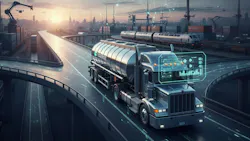
The bulk transport industry has arrived at a pivotal moment. After a year marked by tariffs, shifting regulations, and economic volatility, many carriers have been stuck in a holding pattern, waiting for clarity before making big moves. Instead of expanding fleets or adding headcount, companies began asking harder questions: How can we optimize what we already have? How do we stay competitive without overextending resources? This shift in mindset is significant.
This industry-wide pause is now giving way to action, with companies across the industry increasingly embracing technology-driven strategies and collaborative approaches that transform how freight moves. Today, carriers are pausing and looking for connected technology solutions—tools that streamline processes, reduce risk and deliver measurable efficiency gains.
The pressure to do more with less has accelerated the adoption of artificial intelligence, connectivity and integrated systems, setting the stage for a smarter, more resilient supply chain in 2026 and beyond.
AI Moves from hype to hands-on
Artificial intelligence is no longer a buzzword—it has become a trusted colleague for thousands of professionals in the industry. The recent evolution is clear: companies using AI tools are moving from a “trust but verify” mindset to gaining greater confidence in AI-driven decision-making processes.
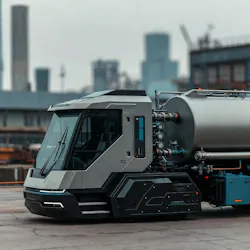
Over the past year, workflows that once required human oversight have increasingly become automated. Appointment scheduling, load planning, and even basic data-entry tasks are now handled by AI.
The skepticism that once surrounded automation is fading as carriers see tangible results. These systems don’t just recommend actions; they execute them, reducing manual intervention and freeing up teams to focus on higher-value work.
And while these tools scale quickly, success still depends on purposeful and strategic training. Just as a new hire needs onboarding, AI agents require guidance to align with business rules and priorities.
The payoff is enormous—faster processes, fewer errors, and a foundation for predictive capabilities that will redefine operational planning efforts.
Cost pressures and the connected future
Economic pressures and efficiency goals are converging, pushing carriers to adopt strategies that deliver both environmental and financial benefits.
Route optimization, reducing empty miles, and monitoring tire pressure have long been best practices, but now they’re more critical than ever. Data transparency isn’t just good for the planet—it’s now a competitive business advantage. Shippers are beginning to factor emissions performance into RFPs, rewarding carriers that can track and report sustainability metrics.
Imagine transportation planning that spans road, rail, and air seamlessly, with AI selecting the optimal mode for each leg of a shipment based on live conditions. That vision requires breaking down silos and replacing outdated EDI standards with API-first strategies.
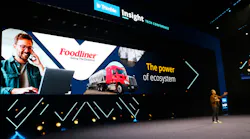 Foodliner at Trimble Insight
Foodliner, the largest bulk food-grade carrier in the United States. has been at the forefront of the transportation industry in numerous ways, including its early embrace of connected technology solutions.
For example, Foodliner’s recently embedded real-time tracking directly into its existing TMS ecosystem through Trimble Freight Visibility, offering its customers an “e-commerce” experience with instant, accurate load visibility. This evolution underscores that the real value lies not just in individual tools, but in the compounding impact of connected workflows across the operation.
Leading technology providers are already driving this shift, enabling direct integration between transportation management systems and shipper platforms. The result: faster communication, better visibility, and a supply chain that can pivot when conditions change.
Resilience in a volatile market
Unfortunately, volatility isn’t going away. Tariffs, environmental regulations and fluctuating energy prices will continue to shape decision-making in 2026.
The real challenge and opportunity are found in building resilience. This starts with modernizing IT infrastructure. Transportation management systems are the backbone of logistics operations and upgrading them is essential to unlock the full potential of AI and automation.
Standardization remains a critical gap, especially across multimodal networks, but progress is coming as more carriers embrace cloud platforms and data-sharing initiatives.
The message is clear: survival and success in this market require adaptability. Companies that invest in smart and collaborative technology will not only weather uncertainty—they’ll lead the way in creating a more efficient, sustainable, and resilient bulk transport ecosystem.
About the Author
 Abby Griffith
Abby Griffith
Abby Griffith is a senior product manager with Trimble Transportation. She leads the strategy and roadmap for Trimble’s cloud-based transportation management system, aligning product vision with business goals to deliver innovation and efficiency.