Why fuel-hauling giant Lee Transport turned to Gravitate TMS

The Mid-Atlantic carrier trades its generic transportation management system for a purpose-built platform that streamlines multi-compartment dispatching, automates billing, and deepens digital collaboration with major retailers.

Key Highlights

  • Lee Transport selected Gravitate’s TMS to better handle the complexities of petroleum logistics, such as split deliveries and fuel-specific billing.
  • The Gravitate platform offers automated BOL management and real-time operational visibility tailored for fuel transportation needs.
  • Crossroads connectivity simplifies integration with major fuel retailers, enabling faster onboarding and improved data exchange.
  • The system reduces manual administrative tasks, increasing efficiency for dispatch and back-office teams.
  • This technology supports Lee Transport’s growth across new customers, terminals, and geographic regions, aligning with industry shifts toward digital collaboration.

New Jersey-based fuel hauler Lee Transport Systems recently selected Gravitate’s transportation management system (TMS) as the operating platform for its tank truck business.

Lee, a family-owned business founded in 1969, runs one of the largest fuel transport fleets in the region, with about 200 trucks and 275 drivers operating out of 18 terminals across the Mid-Atlantic, New England, and Florida. The company delivers petroleum products, LPG, and propane for leading retailers, including Wawa, Marathon, and Sunoco—but as Lee continued to grow, its activities increasingly stretched the capabilities of a general-purpose TMS software.

Then the company turned to Gravitate to optimize fuel-hauling operations.

“We needed a platform built for the complexity of what we do, not one adapted from general freight,” Peter Muller, Lee operations manager, said in a news release. “The Gravitate TMS gives our dispatchers the intelligence our legacy system never could, and Crossroads changes the way we connect with our customers. Every integration we used to build one at a time now follows a single pattern.”

The high cost of general freight software

Fuel carriers operate under requirements that differ significantly from standard freight, Gravitate maintained. Multi-compartment load planning, split deliveries, petroleum-specific billing, BOL management, customer visibility requirements, and tight delivery windows all create operational demands that generic freight software was never designed to address.

At the same time, major fuel retailers have continued investing in digital operations and tighter supply chain coordination, increasing expectations around visibility, responsiveness, and data exchange between carriers and customers. So, Lee needed a platform designed specifically for petroleum transport rather than one adapted from traditional freight workflows. Gravitate supports the operational requirements unique to petroleum logistics, including fuel dispatch workflows, petroleum-specific billing and invoicing, automated BOL management, and operational visibility designed for fuel transportation teams.

“Lee Transport serves some of the most demanding fuel retailers in the country, and they recognized that a platform not built for fuel would always create operational limitations,” Gravitate CEO and co-founder Mike Scharf said. “Their team understands the value of purpose-built software and connected operations. We’re excited to welcome them to the Gravitate network and support their continued growth.”

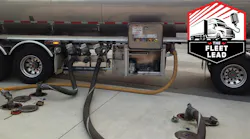
ID 42841545 © Embe2006 | Dreamstime.com
fuel tank trailer

Crossroads connects fuel carriers and retailers

A key component of the implementation is Crossroads, Gravitate’s connectivity layer that links carriers and fuel retailers through a common integration framework.

Through Crossroads, Lee gains streamlined connectivity with major fuel customers, enabling real-time order visibility, load status updates, and more efficient information exchange across customer relationships. Rather than managing separate integration approaches for each customer, Lee can leverage a consistent framework that simplifies onboarding and supports future growth.

Part of what made the decision straightforward is the network Lee joined. Several of the company’s major customers already operate on Gravitate, creating opportunities for faster connectivity and a more streamlined exchange of data between retailers and carriers. And, as more participants connect through Gravitate, they benefit from a growing ecosystem designed for the fuel supply chain.

Key benefits of the Gravitate TMS platform include:

  • Dispatch and load planning workflows designed specifically for fuel transportation
  • Petroleum-specific billing and invoicing capabilities
  • Automated BOL management and operational visibility
  • Streamlined connectivity with major fuel retailer customers through Crossroads
  • Reduced manual administrative work for dispatch and back-office teams
  • A platform designed to support continued growth across customers, terminals, and geographic regions

“Lee Transport’s selection of Gravitate TMS reflects a broader shift occurring across fuel logistics,” Gravitate concluded. “As fuel retailers and carriers deepen digital collaboration, purpose-built platforms and connected supply chain infrastructure are becoming increasingly important to operational performance and customer service.”

About the Author

Jason McDaniel

Jason McDaniel, based in the Houston TX area, has more than 20 years of experience as an award-winning journalist. He spent 15 writing and editing for daily newspapers, including the Houston Chronicle, and began covering the commercial vehicle industry in 2018. He was named editor of Bulk Transporter and Refrigerated Transporter magazines in July 2020.

Sign up for our eNewsletters
Get the latest news and updates