AGC: Commercial construction costs surge in June
Key Highlights
- Input prices for construction materials increased by 7.1% over the year, nearly double the rise in bid prices for new nonresidential buildings.
- Tariffs on aluminum, steel, and copper have contributed to sharp increases in metals prices, with aluminum up 52.4% and copper 26.0% year-over-year.
- Fuel prices, though down 18.4% in June, remain 65.8% higher than last year, adding to construction costs despite recent declines.
The producer price index for inputs to new nonresidential construction climbed 7.1% from June 2025 to June 2026 despite dipping 0.5% last month, according to a new analysis of government data by the Associated General Contractors of America.
The 7.1% annual increase in construction input prices was roughly double the 3.5% increase in contractors’ bid prices for new nonresidential buildings, suggesting contractors continue to absorb much of the increase in materials costs. “Although fuel prices dropped in June, they remained far higher than a year earlier,” Ken Simonson, the association’s chief economist, said in a news release.
“In addition, steep tariffs on aluminum, steel, and products containing copper have continued to push up construction costs."
The producer price index for diesel fuel, which reflects prices at the refinery or fuel terminal level, plunged 18.4% in June but nevertheless remained 65.8% higher than a year earlier, the association reported. Simonson noted that fuel prices have risen again since prices for the June index were collected nearly five weeks ago.
Metals prices also remained sharply higher than a year earlier. Aluminum mill shapes prices were up 52.4% from June 2025, while copper and brass mill shapes increased 26.0% over the year. Steel mill products prices climbed 16.9% year over year. All three metals are subject to tariffs as high as 50%, Simonson said. Although the index is based on prices of domestic sellers, these firms have been largely matching the prices now charged on imported products, he added.
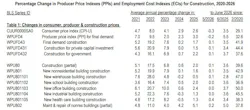
In contrast, the index for new nonresidential building construction, a measure of what contractors say their bid price would be to erect a new building, rose by just 0.1% in June and 3.5% over 12 months. That was less than half of the 7.1% year-over-year increase in input costs.
Association officials observed that while construction input prices declined slightly in June, contractors continue to face significant uncertainty about future material costs. They added that greater certainty regarding trade policy, along with enactment of a long-term federal surface transportation authorization, would help contractors estimate project costs more accurately, bid work with greater confidence, invest in workers and equipment, and keep projects moving efficiently.
“Price stability is important for contractors, project owners, investors and governments,” AGC CEO Jeffrey D. Shoaf concluded. “Providing greater certainty on trade policy while enacting a long-term surface transportation bill would help contractors bid work with greater confidence, invest in their businesses and workforce, and ensure critical infrastructure projects continue moving forward.”