AGC: Materials price increases drive up construction costs

The producer price index for materials and services used in nonresidential construction rose 3.3% from December 2024 to December 2025, propelled by double-digit increases in aluminum, steel and copper prices, according to a recent analysis of government data by the Associated General Contractors of America.
Association officials noted that it appears that new tariffs are enabling domestic producers of key construction materials to raise prices.
“Even though these indexes are based on selling prices of domestic producers, it is clear that the steep tariffs on imported metals and products are enabling U.S. sellers to push up costs for construction materials and equipment,” Ken Simonson, the association’s chief economist, said in a news release. “Construction costs are sure to rise further in 2026 as long as the current tariffs remain in place.”
The producer price index for aluminum mill shapes soared 30.5% from December 2024 to last December, the largest year-over-year increase since the supply-chain disruptions of early 2022, AGC reported. Simonson noted that the index has been accelerating every month since the president imposed a 50% tariff last June.
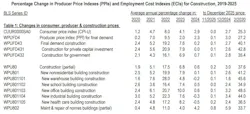
The index for steel mill products, which are also subject to a 50% tariff, jumped 17% in 2025, which was the steepest rise for that index since 2022. The index for copper and brass mill shapes climbed 11.8% last year. Imported products containing copper are also subject to a 50% tariff, Simonson noted.
“These higher prices are now showing up as well in the cost of construction equipment and machinery,” Simonson added. “That index rose 5.6% in the latest 12 months, the most in two years. And with copper futures prices setting new records this month, the cost of copper in construction equipment and projects is sure to go even higher this year if the tariffs stay in place.”
Association officials continued to urge federal leaders to resolve a number of key trade disputes with China, Canada, and other major trading partners. Having trade agreements in place will likely lead to lower tariff levels and provide the kind of pricing certainty contractors need to accurately bid new projects, AGC said.
“It is hard for contractors to make reliable estimates on how much to charge for new construction projects when they don’t know how much prices will increase for key materials,” AGC CEO Jeffrey D. Shoaf said. “Getting fair trade agreements completed will provide the kind of tariff and price stability contractors need to predict future costs.”